From landfills to a smarter and more sustainable circular economy – A journey from the 1990s to 2025
Text and photos: Pia Husu-Vierimaa
Petri Salermo joined Europress back in 1992 as a salesperson and rejoined in 2025 as Executive Vice President. During the 24 years in between, Salermo went elsewhere to gain experience and momentum for his second round at Europress.
What was recycling like in Finland in the 1990s and what changes has the industry experienced in the past thirty years? How does he see the future of Europress?
When Petri Salermo joined Europess a salesperson in the summer of 1992, Finland was in the midst of one of the worst economic crises in its history. Nevertheless, sales work attracted Petri even then – it was probably in his DNA, as Petri’s father worked as a car dealer.
“Working with people to find solutions has always been pleasant and easy for me. That’s why a career in business felt more like home,” Petri adds.
Europress operated out of Vantaa in the ‘90s, while the factory was located in the municipality of Pohja. Petri’s work as a salesman initially took him all over Finland, eventually focusing on the Helsinki Metropolitan Area and Southern Finland.
500 landfills
The Finnish waste management sector operated in an era of landfills back in the ‘90s. All waste was dumped mercilessly in landfills. Sorting and waste fractions were a language that was not yet understood. The importance of sorting had to be explained in detail.
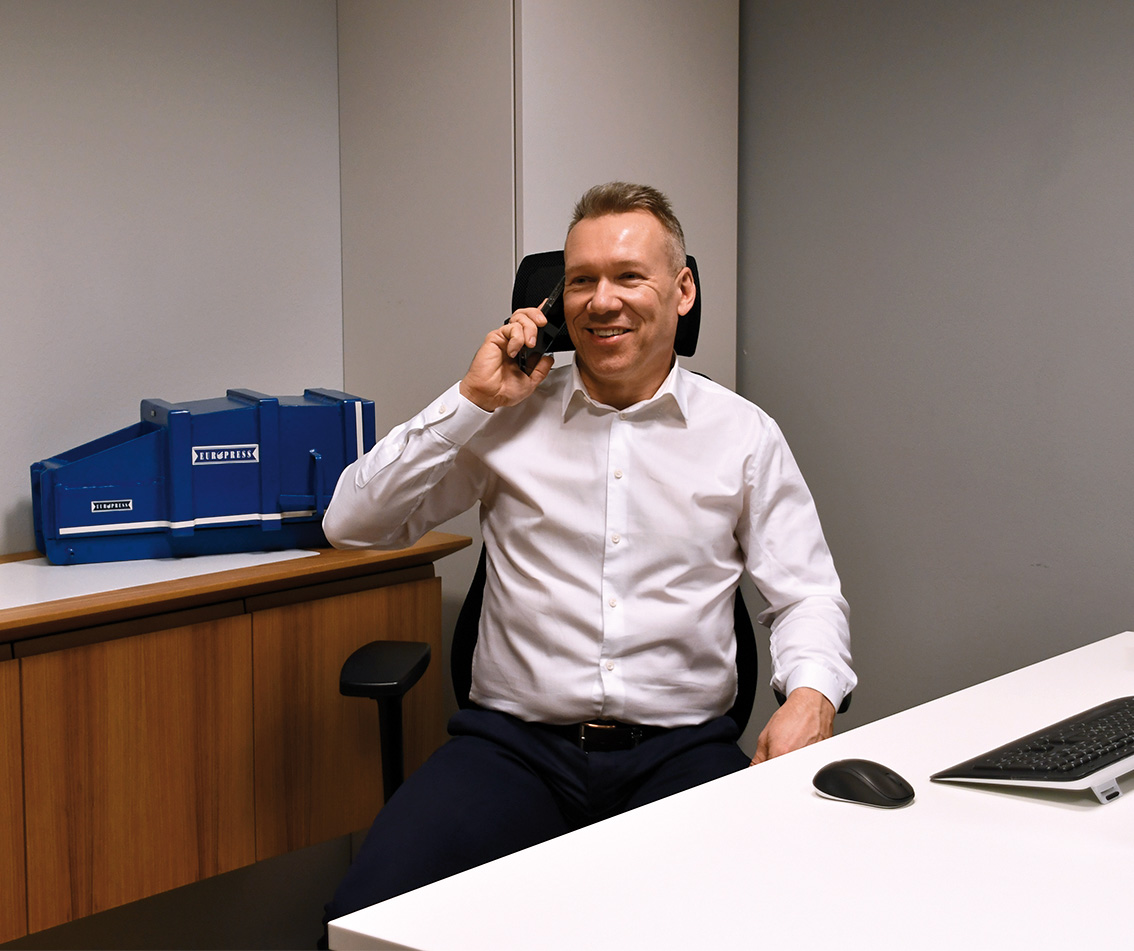
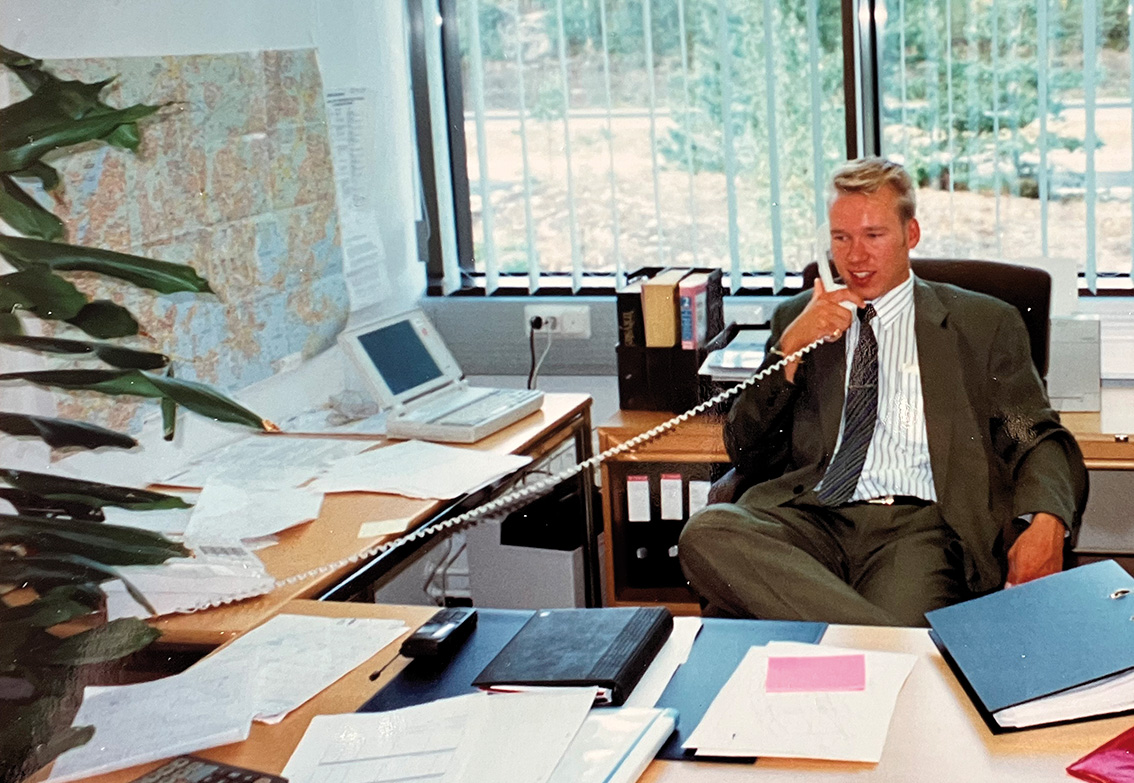
Petri Salermo at the Europress head office in Vantaa in the 1990s. (Photo: Salermo’s archives)
Pictured above, Petri at the current Europress head office in Kerava in February 2025.
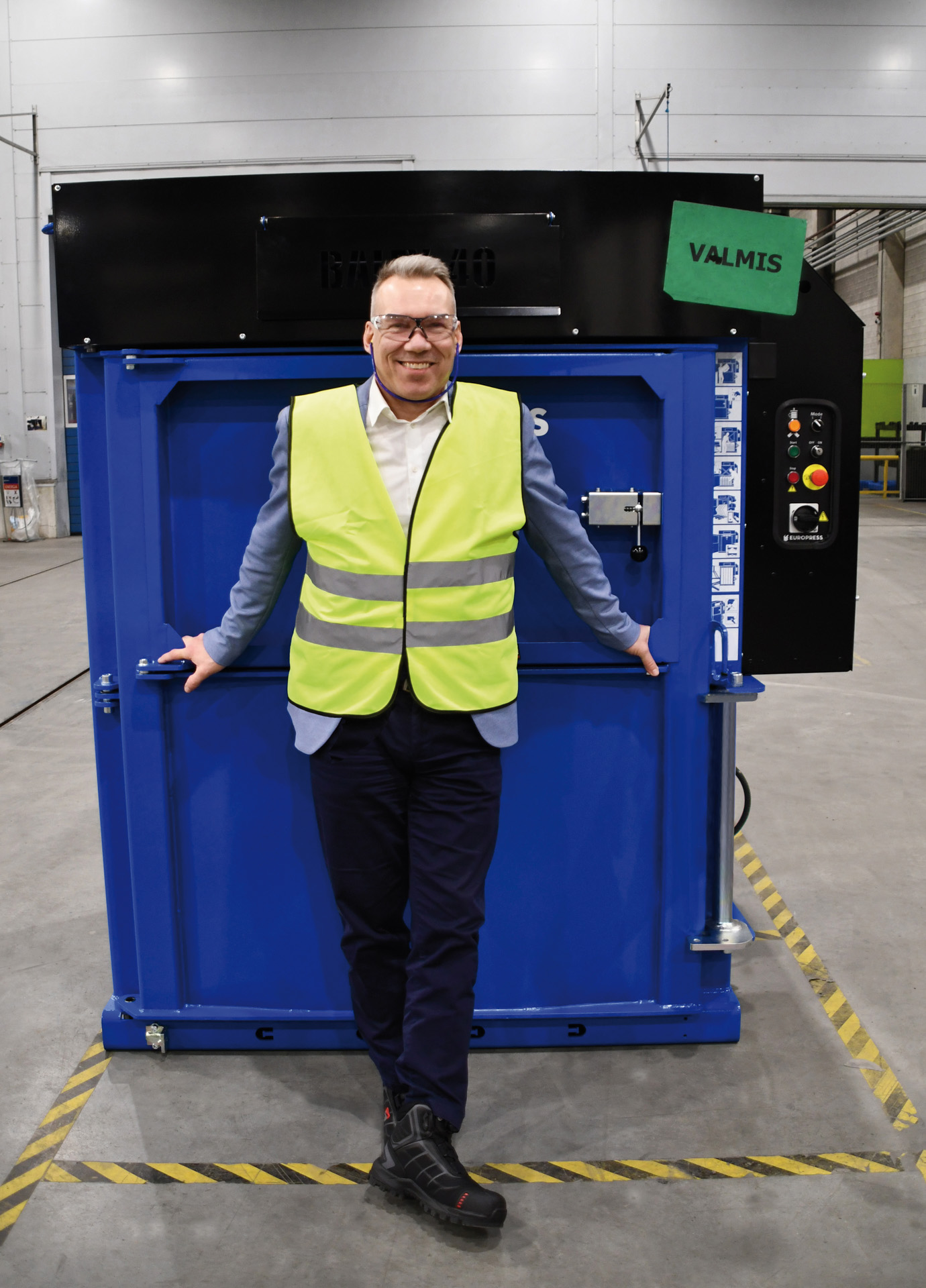
Petri Salermo
Executive Vice President, Europress Finnish Business, Sales and Service
Born in Helsinki
Lives in Espoo
Worked at Europress from 1992-2001 in Sales, as Sales Manager and as Sales Director
Lassila & Tikanoja 2001-2024 Sales Director of the Environmental Services division
Executive MBA 2020
Hobbies: summer cottage in the archipelago, padel, fitness and everything else
Salermo also has his own business name, Salexcon, which offers management consultant and training services for better and people-oriented leadership.
“Negotiations with customers could be held in outside waste collection areas in the ‘90s. Compared to before, these days it is nice to visit our customers’ headquarters to talk about sustainability.”
Respect for waste management and recycling has undergone a huge change in 30 years. “Negotiations with customers could be held in outside waste collection areas in the ‘90s. Compared to before, these days it is nice to visit our customers’ headquarters to talk about sustainability,” Petri admits, remembering the business culture in the early days.
Working together with customers for a better circular economy
Success in the early days was based on one’s own initiative, as the market was not crowded in the ‘90s. It was possible to achieve a wide customer network and build trust quickly.
“After all these years, we still collaborate with the same familiar companies, even the same people,” Petri says. “Our customers understand the importance of working together for a better circular economy.”
Learning modern management skills
Although Petri’s career path took him elsewhere, he continued to work in the same industry. He spent 24 years with Lassila & Tikanoja, first in sales and the last few years in management positions responsible for the Environmental Services division.
He learned from many different perspectives on his journey, and he was particularly attracted to modern management skills, about which he wrote his thesis in 2020.
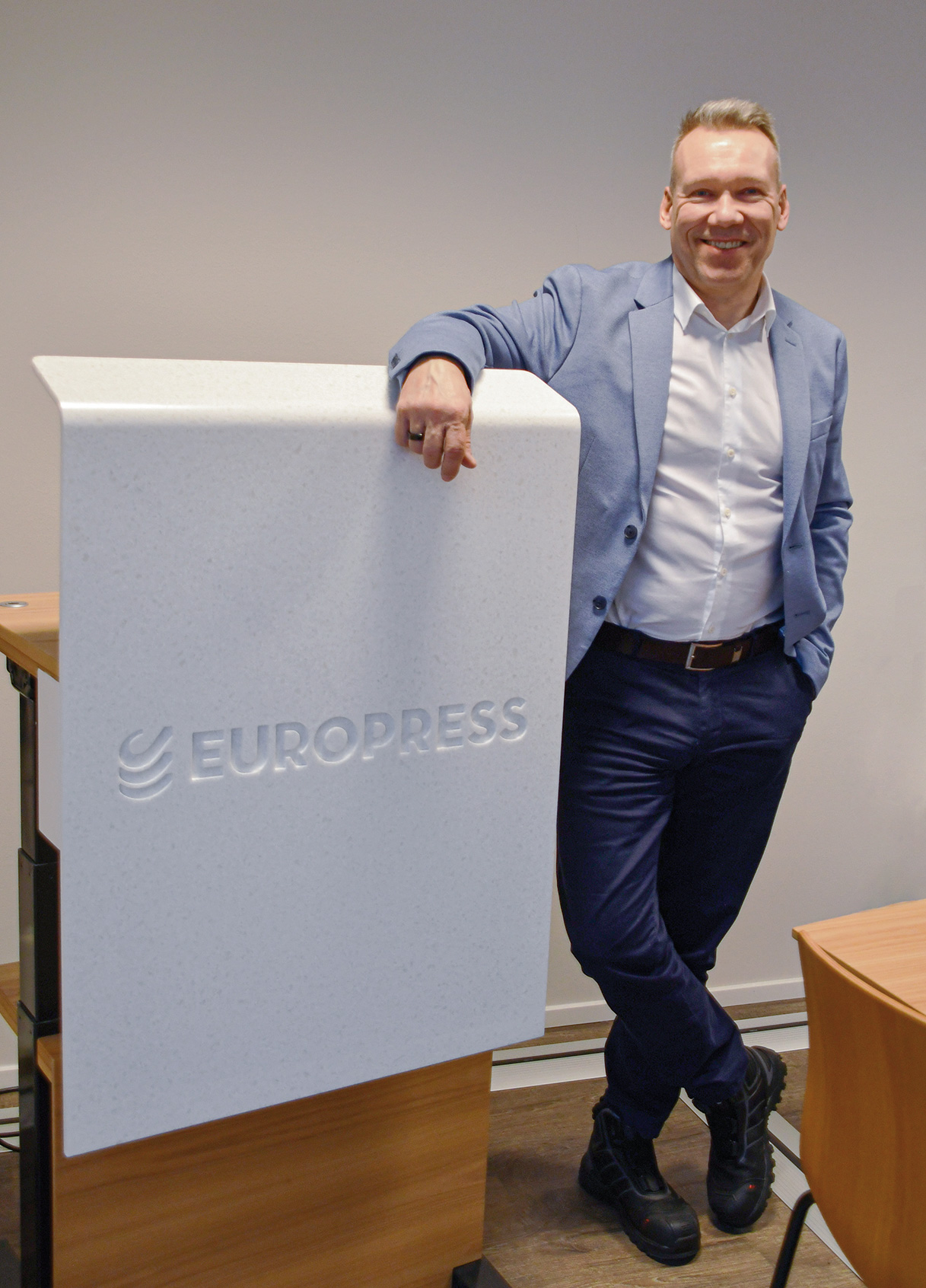
Petri Salermo’s second round at Europress got off to a busy start in January 2025. He has been touring all over Finland, including its northernmost parts, to get to know our customers, regional sales outlets and service locations.
Finnish work should be supported
More than twenty years have passed since he originally left Europress, and Petri has noticed changes in both the company and its people.
“The company has grown rapidly, and its revenues have certainly multiplied. In addition, the level of professionalism has further developed, and technological advances have naturally progressed at a breakneck pace as the company has grown. The entire industry is heading in the right direction, and the importance of the environmental sector is growing,” Petri says.
“When comparing the products and services available in the market today, it is definitely worth familiarising yourself with their differences. Products have different characteristics, and the importance of the life cycle should also be taken into account when making purchases. Especially in these turbulent times, Finnish companies should support Finnish work,” Petri continues.
Recipe for a good future
Petri sees strong growth in the company’s future, and he wants to be involved in the development of new products and services with his own passion and expertise.
“When comparing the products and services available in the market today, it is definitely worth familiarising yourself with their differences. Products have different characteristics, and the importance of the life cycle should also be taken into account when making purchases.”
Europress has been working hard together with its customers for decades. Waste management equipment is increasingly efficient and smart.
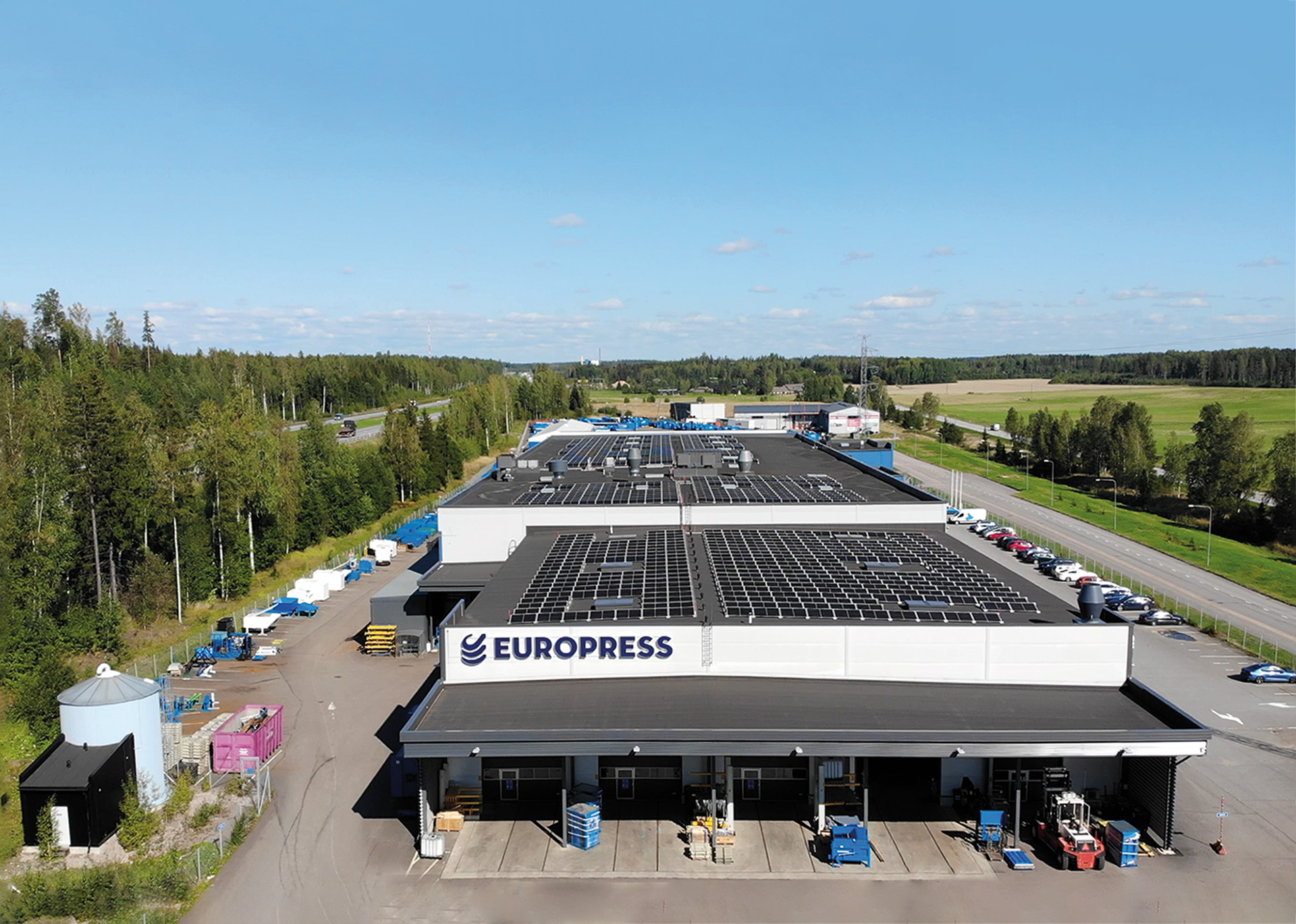
Greater cost savings also mean greater environmental savings. The company’s own solar power plant is just one example of the focus on sustainable business at Europress.
“These are not the easiest times in the global market environment, but I hope that we will continue to take good care of our people. We also need to work harder to ensure the availability of raw materials,” Petri says of the future.
Everything begins with people
When Petri is asked what the best thing is about Europress, his reply comes without hesitation: the people! Without customers and employees, there would be no company or product.
Working with customers for a more sustainable circular economy continues to inspire him. According to Petri, the passion and dedication of the people at Europress is visible every day.