



Waste management outlook in Sweden, Norway and Poland
Compiled by: Pia Husu-Vierimaa
This year marks the 29th anniversary of the establishment of Europress Group’s first foreign subsidiary in Sweden back in 1996. Norway joined the Europress family in 2001 and Poland in 2019. How do our subsidiaries view 2025 in their own market area, and what opportunities does the recycling industry offer in their country? Let’s begin with our oldest
subsidiary and Sweden’s Country Manager Mikael Millberg.
1. How did the year 2024 appear?
2. What expectations do you have for the year 2025?
3. What positive prospects do you see in your market area and globally?
4. What opportunities do you see in the future?
5. Are there any specific things you need to consider in your business now?
Towards positive growth
1. We can say that last year had its ups and downs. Both Sweden and Europe experienced unstable times last year due to the economic situation. Despite this, we achieved some great successes.
2. We have a nice orderbook for 2025, and interest rates have started to decline in Sweden. This will have a positive impact, especially on our customers who rent waste management equipment from us.
3. Thanks to the positive outlook and delivery volumes, we can recruit more service technicians this year. Based on the feedback we have received from our customers, both our solutions and services meet their expectations. Europress Group’s additions to the product range strengthen our position in the market.
4. We have strengthened our sales team to better serve our customers. The biggest challenge – global instability – is beyond our control.
5. We will continue to achieve our growth targets this year.
6. Recycling and environmental awareness is growing in Sweden every year. This is mainly due to changes in laws and regulations in municipalities, as well as the increase in waste volumes. Swedish companies recognise the opportunity to save costs and reduce carbon emissions by using our waste compactors.
7. Our waste compactors and balers are the best in the industry in terms of digitalisation, and this provides opportunities for greater savings as our customers move from SMART Intro to SMART Insights.
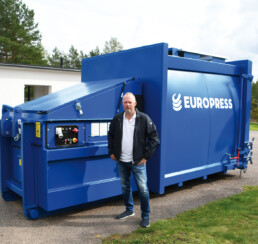
Mikael Millberg is Country Manager for Europress Sweden, which was established in 1996. The company has strengthened its sales team to serve its customers even better.
Photo: Ira Heinonen
Tarjei Gullberg, Country Manager for Europress Norway, sees the growing importance of supply chain transparency as an opportunity for Europress Norway to strengthen its market position as a Nordic company that uses ethically sourced materials and has partners who operate according to the same principles.
Companies must differentiate themselves through innovation and value-added services
1. Despite facing a demanding market and tough competition, Europress Norway achieved strong growth. Many larger projects were postponed, impacting certain segments, but the strong customer focus on environmental solutions and property technology (proptech) helped drive success. Europress SMART remained highly relevant, as businesses continued prioritising smart and sustainable waste management.
2. The market will likely remain challenging, but there are signs of recovery, especially with postponed projects expected to resume towards the end of 2025 and into 2026.
Sustainability and digitalisation will continue to be key drivers, with growing interest in recycling – particularly plastics, organic waste and textiles. While interest rates are not declining as rapidly as hoped and the currency remains weak, Europress Norway is well positioned to benefit from the strong demand for efficient and transparent waste management solutions.
3. There are several positive developments to look forward to in 2025. Large-scale projects that were delayed in 2024 may start moving forward again, creating new business opportunities. The increasing focus on recycling, especially in plastics, organic waste, and textiles, is driving demand for smart waste management solutions. Digitalisation and automation are improving operational efficiency, making waste management more cost-effective and environmentally friendly. If the currency stabilises, it could lead to improved business conditions and investment opportunities.
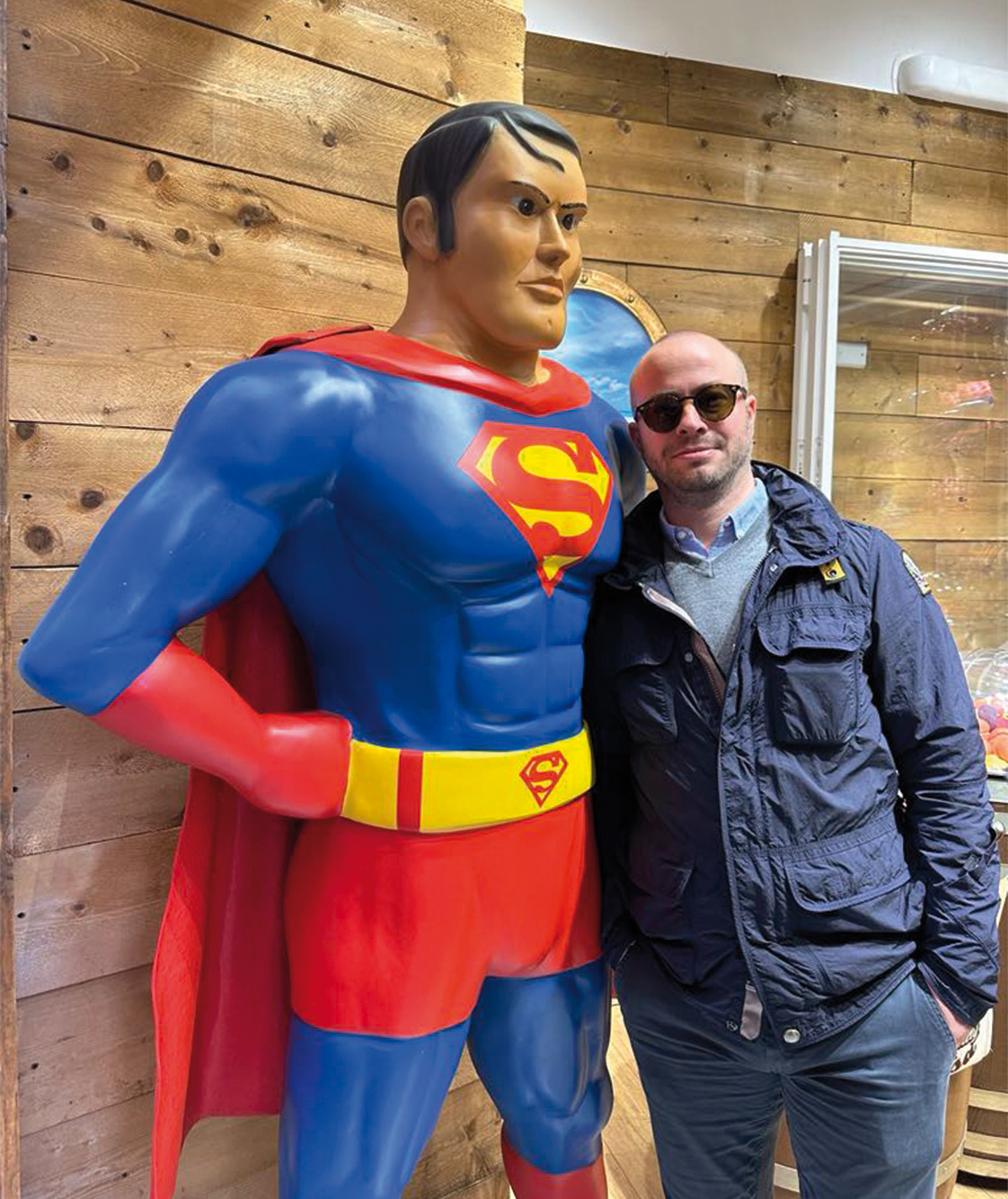
Tarjei Gullberg does not rely on Superman in business, but rather on customer focus in both environmental solutions and real estate technology.
4. Economic uncertainty is expected to persist, with interest rates not decreasing as quickly as hoped. The weak currency continues to impact purchasing power and investment decisions, creating additional pressure on businesses. Tough competition in the market requires companies to differentiate through innovation and value-added services. Additionally, adapting to evolving customer expectations in sustainability, recycling and digital solutions will be essential for maintaining a competitive edge.
5. It will be important to closely monitor the economic environment, particularly interest rate movements and currency fluctuations, as these factors influence purchasing power and investment decisions. The timeline for the recovery of postponed large-scale projects should also be observed, as this could impact business growth opportunities.
Furthermore, the rising importance of transparency in the supply chain presents an opportunity for Europress Norway, as a Nordic company with ethically sourced materials and suppliers, to strengthen its market position.
6. Norwegian companies are highly responsible when it comes to environmental issues, driven by strict regulations and strong corporate commitments to sustainability. Many businesses actively work towards circular economy solutions, energy efficiency and waste reduction. The focus on recycling and transparency in supply chains continues to grow, aligning well with Europress SMART’s capabilities.
7. Digitalisation presents a significant opportunity in waste management. Europress SMART enables more efficient, data-driven solutions that reduce costs, improve sustainability and enhance overall waste management strategies. With the increasing importance of proptech and automation, advanced solutions like Europress SMART will play a crucial role in helping businesses optimise their waste handling, meet environmental goals and ensure transparency throughout their processes.
Krzysztof Jezierski has been Country Manager for Europress Poland since its establishment in 2019. He explains how Polish companies are showing a growing commitment to environmental protection and are waking up to the potential of digital services.
Text: Krzysztof Jezierski
Introduction of new technologies and environmental responsibility in Poland
The year 2024 brought moderate growth in the retail sector in Poland, although this dynamic varied across different months. The waste management industry faced challenges related to new regulations and the need for investment in waste processing infrastructure.
Despite not being the easiest year, we achieved several successes: we increased our revenue by approximately 11% compared to 2023, and we acquired new clients among waste operators, the automotive industry and shopping centres. A decisive factor in choosing Europress for one of the largest shopping centres in Poland was our SMART system – the customer focuses on digitalisation, and only our SMART system enables the level of data analysis they expected.
This demonstrates that the Polish market is gradually recognising the enormous potential of digital services in waste management devices. However, price remains the key factor when selecting suppliers. Europress, offering the highest quality products, sales and after-sales services along with digital solutions, cannot compete with suppliers focused primarily on price, despite resulting in lower quality.
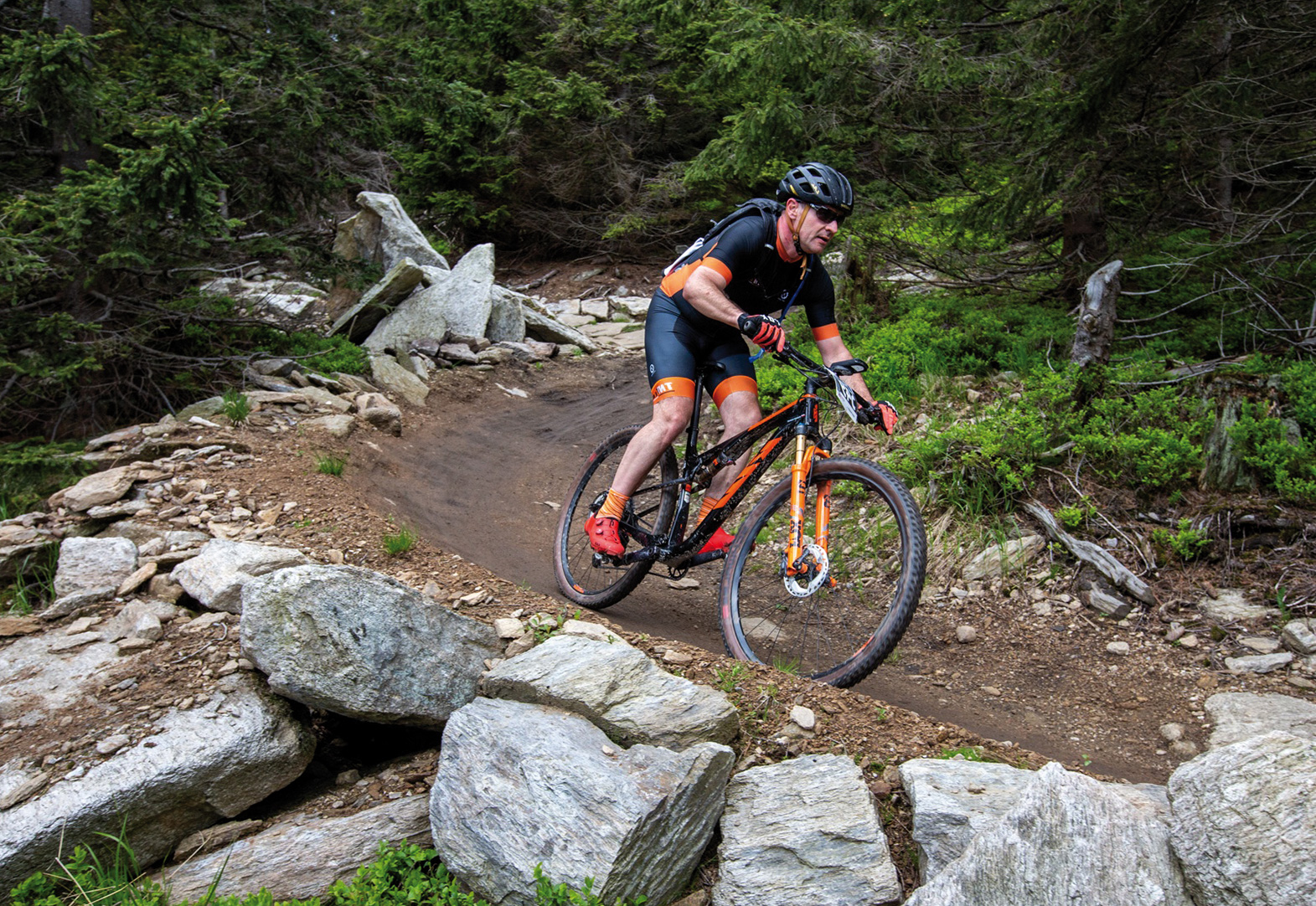
Krzysztof Jezierski is an active cycler in his free time.
Photo: Mouflontracks.pl
Challenges for waste management equipment manufacturers
In 2025, waste management machinery manufacturers in Poland will face a series of challenges arising from tightening regulations and increasing market demands.
As of 1 January 2025, new regulations require municipalities to organise the selective collection of textile waste. This will necessitate manufacturers to adapt their machines to handle new waste fractions, potentially requiring modifications to existing devices or the development of new technological solutions.
The planned introduction of a deposit return system in October 2025, covering both plastic bottles and metal cans, will force waste management equipment manufacturers to adjust their machines to facilitate the return and processing of these packaging materials.
The growing importance of automation and digitalisation in production processes and waste management presents manufacturers with the challenge of implementing advanced technologies such as the Internet of Things (IoT) and artificial intelligence (AI). These technologies could significantly enhance the efficiency and precision of waste management machinery.
In light of global trends related to emissions reduction and energy efficiency, manufacturers must design machines that consume less energy and have a smaller carbon footprint. This may require investments in research and development, as well as the implementation of innovative technological solutions.
The introduction of new technologies and procedures requires manufacturers not only to provide the appropriate machines but also to educate end-users on their operation and collaborate with partners to optimise waste management processes.
Meeting these challenges will be crucial for maintaining competitiveness in the market and fulfilling the increasing expectations for sustainability and efficiency in waste management.
Environmental responsibility among Polish companies
Polish companies are showing increasing engagement in environmental protection efforts. However, the level of environmental responsibility varies depending on factors such as company size, industry and resource availability.
In recent years, there has been a growing awareness of environmental issues among Polish enterprises. Regulations have become the primary driver of actions in the ESG (Environmental, Social, Governance) sphere, highlighting the increasing importance of environmental concerns in corporate strategies. Furthermore, more than half of large Polish companies have made changes to their offerings with environmental considerations in mind.
Despite positive trends, many businesses face obstacles in implementing green initiatives. A lack of financial resources and insufficient human capital pose significant challenges, particularly for small and medium-sized enterprises.
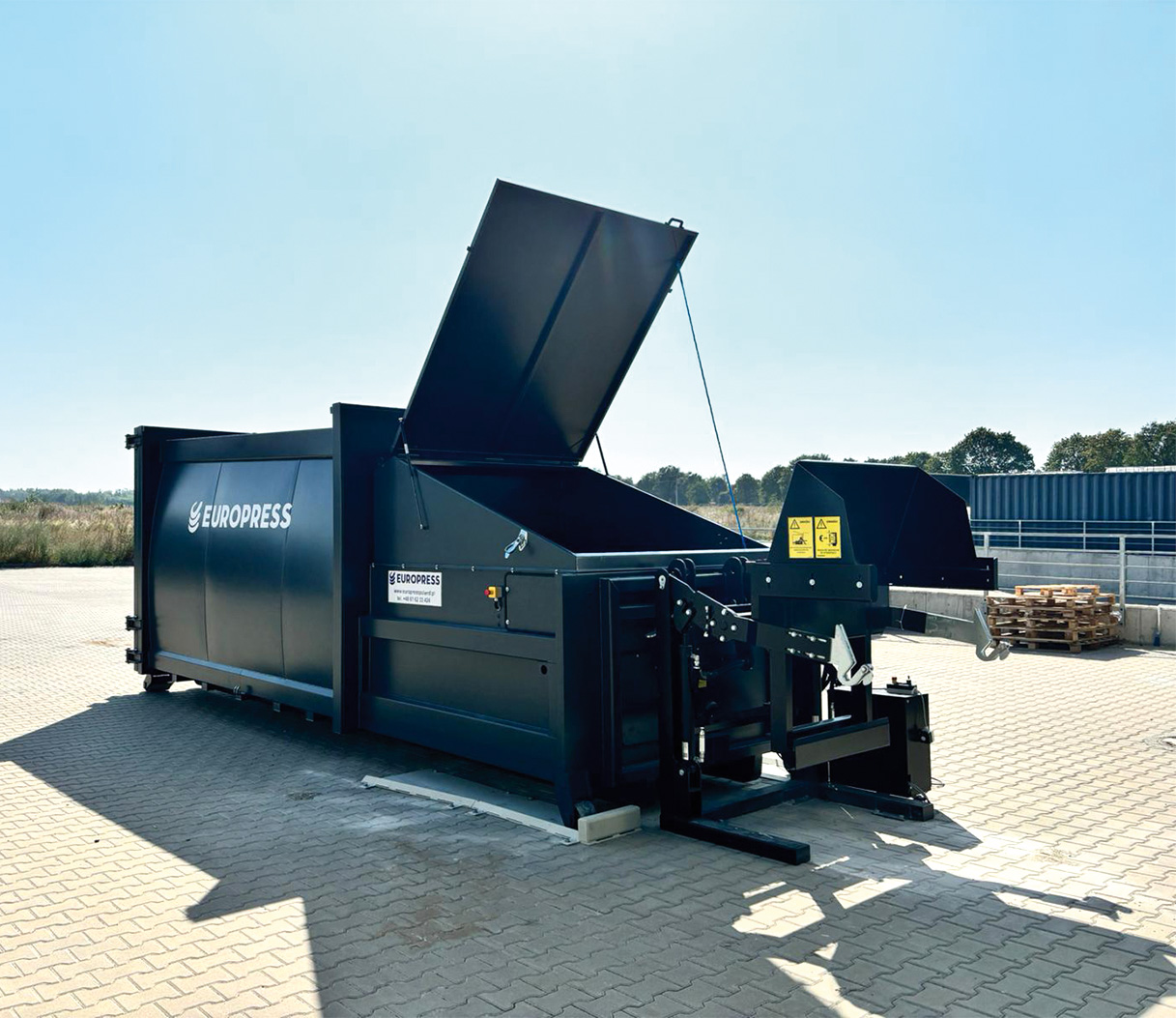
Photo: Europress Poland
Many companies are taking concrete steps toward environmental protection, including:
• Reducing greenhouse gas emissions
• Energy conservation
• Waste management
• Utilising renewable energy sources
These practices are increasingly integrated into business processes and product offerings.
Companies recognise that green initiatives can bring tangible financial and reputational benefits. Nearly 45% of large Polish firms acknowledge that pro-environmental actions can yield financial gains, motivating them to engage further in such initiatives.
While Polish businesses are increasingly considering environmental factors in their operations, the level of commitment varies. Challenges such as resource shortages and lack of awareness remain significant barriers. Nevertheless, a growing number of companies are recognising the benefits of environmental actions, which could contribute to the continued development of environmental responsibility in Polish business.
Expressive 1/2025
Previous article
Next article